Wasteland ChroniclesZóny nikoho
| Categories | Documentary Film |
|---|---|
| Accessibility | suitable for all age groups of minors |
| Black and white / colour | color |
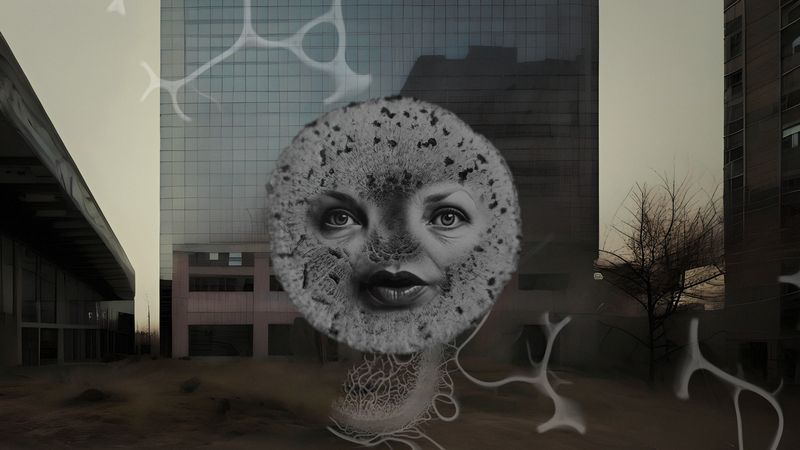
Slovakia has 1,200 environmental burdens, including 260 in an alarming state. The contaminated landscapes become symbols of our relationship with the Earth and a testament to humankind’s destructive nature. Three women directors explore three of the country’s most dangerous toxic waste sites, offering a cinematic therapy for climate anxiety.
What does it mean to live in an area that has long been burdened by chemical pollution? This documentary explores the daily reality of people living in regions affected by environmental contamination and shows the impact that long-term contamination can have on health, the environment, and the functioning of entire communities. At the same time, it raises questions about responsibility, solutions to legacy environmental contamination, and how people living in these areas cope with the situation.
During the discussion following the film, we will focus on the film’s production, the filmmakers’ experiences during shooting, and their interactions with people from the affected communities. We will discuss how residents perceive life in the affected environment, what stories and experiences they shared during filming, and what the perspective of local communities can reveal about the broader issue of environmental contamination in Slovakia. We will also explore how to address such topics so that they do not remain merely a problem for specific regions.
Guests of the discussion: directors Viera Čákanyová, Barbora Sliepková and Lucia Kašová, along with Tatiana Čontofalská, mayor of the village of Predajná.
The discussion, held in Slovak, will be moderated by Viktória Novotňaková.
The screening and discussion will be followed by a party at Temný Ost Block.
---
Funded by the European Union.
.png)
Funded by the European Union. Views and opinions expressed are however those of the author(s) only and do not necessarily reflect those of the European Union or The European Education and Culture Executive Agency (EACEA). Neither the European Union nor the EACEA can be held responsible for them.
42 seats available |